


Walking Rehabilitation After Stroke
Stroke is a leading cause of disability among adults in the Western world. The brain damage resulting from a stroke often leads to impairments in physical functions, including walking ability. Post-stroke gait rehabilitation is a crucial process aimed at restoring patients' mobility and independence. This process requires time, persistence, and the use of advanced technologies.
The necessity for gait rehabilitation after a stroke stems from the direct impact of walking ability on a patient's quality of life and self-confidence. Walking is a daily activity that enables individuals to maintain independence and perform routine tasks such as going to work, running errands, and spending time with family.
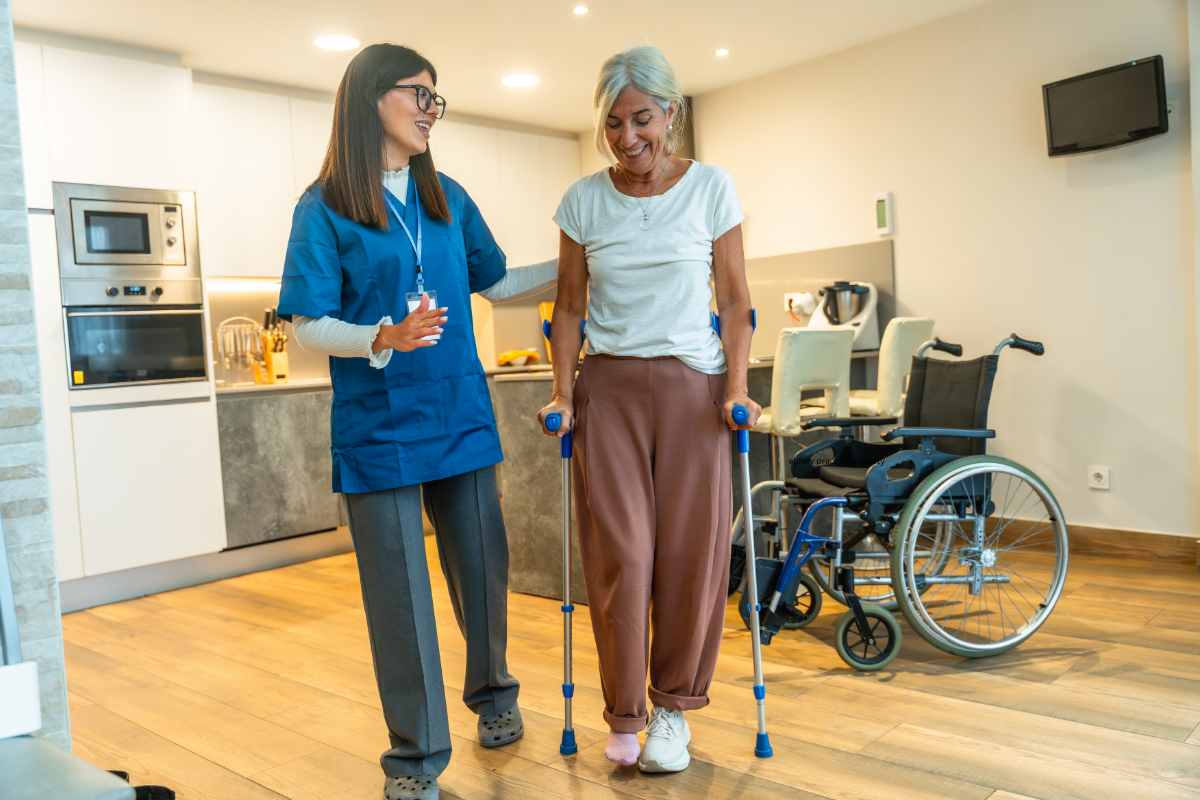
Moreover, home-based rehabilitation offers significant additional benefits. Rehabilitating in a familiar environment provides comfort and security, enhancing motivation and easing the rehabilitation process. Additionally, home-based rehabilitation allows patients to seamlessly integrate therapy exercises into their daily routines. Another advantage is the involvement of family members in the rehabilitation process, providing support and assistance with necessary exercises.
Effects of Stroke on Walking
The impact of a stroke on walking can be varied and often includes weakness or paralysis on one side of the body (hemiplegia), reduced coordination and balance, loss of sensation in the limbs, difficulty lifting and moving the legs properly, increased fatigue, and significant physical effort during walking. These issues can lead to a "circumduction" gait (swinging legs), limping, or even the need for walking aids such as canes or walkers.
In addition to physical aspects, there are psychological effects of a stroke on walking, such as significant frustration and a sense of lost independence. The inability to move freely as before can lead to decreased self-confidence, depression, or even anxiety. These feelings may exacerbate the patient's physical condition and hinder the rehabilitation process.
Consequences of Improper Rehabilitation
Effective gait rehabilitation is critical for post-stroke patients; inadequate or insufficient rehabilitation can lead to severe consequences, including worsening physical and psychological issues. Therefore, it is essential to dedicate time and resources to improving walking after a stroke, utilizing advanced technologies and personalized treatment methods to ensure a successful and comprehensive rehabilitation process.
Home Rehabilitation for Stroke Patients vs. Hospital Rehabilitation
Home rehabilitation for stroke patients offers significant advantages for both the patient and the healthcare system, such as:
- Advanced Equipment: Utilizing advanced technologies like Walking rehabilitation systems designed for home use.
- Frequent Home Visits: Physiotherapists and social workers regularly visit the patient at home.
- Personalized Support: Home-based rehabilitation by professionals provides personalized support tailored to the patient's unique needs.
Why Choose Home Rehabilitation?
- Studies show that home rehabilitation leads to more significant improvements in quality of life, functional independence, and faster recovery compared to hospital-based rehabilitation.
- The familiar home environment and family support encourage patients to be more active and engaged in the rehabilitation process.
- Despite the initially higher cost, home rehabilitation may lead to long-term savings by reducing hospitalization duration, minimizing the need for additional treatments, and increasing patient independence.
- Home rehabilitation allows for the customization of treatment plans to fit the patient's daily routine, facilitating smoother reintegration into community life.
Advantages of Chaban Medical's JUST WALK Post-Stroke Gait Rehabilitation System
Chaban Medical's post-stroke gait rehabilitation system offers several notable benefits that assist patients in the rehabilitation process:
- Advanced Technology: The system employs innovative technology that enables precise and safe walking exercises. It features advanced sensors and a sophisticated control system that guide movements and monitor patient progress.
- Personalized Adaptation: The JUST WALK system adjusts to each patient's unique needs, allowing for the calibration of difficulty and effort levels according to individual capabilities, enabling safe and efficient progression.
- Accelerated Motor Improvement: Using the system aids in the rapid enhancement of patients' motor skills. Through controlled and personalized training, patients can achieve better results in a shorter timeframe.
- Safety and Comfort: The JUST WALK system is designed to ensure patient safety during rehabilitation. It provides maximum support and stability, preventing falls and enabling patients to focus on their recovery with confidence.
In summary, effective gait rehabilitation after a stroke is essential for restoring patients' independence and quality of life. Home-based rehabilitation, supported by advanced technologies like Chaban Medical's JUST WALK system, offers a comprehensive solution that addresses both physical and psychological aspects of recovery, facilitating a successful and efficient rehabilitation process.
FAQ
?How soon should gait rehabilitation begin after a stroke
Rehabilitation should typically begin as soon as a patient's medical condition is stable and approved by their healthcare team. Early intervention can help improve mobility, reduce complications, and support better long-term recovery outcomes.
?Can walking ability improve months or even years after a stroke
Yes. While the fastest recovery often occurs during the first few months, many stroke survivors continue to improve their walking ability long after the initial event through consistent rehabilitation and exercise.
?Why do stroke patients often drag one leg when walking
A stroke can weaken muscles, reduce coordination, and affect balance on one side of the body. This may cause difficulties lifting the foot properly, leading to dragging, circumduction gait, or an uneven walking pattern.
?Can gait rehabilitation reduce the risk of falls after a stroke
Yes. Improving balance, muscle strength, coordination, and walking mechanics can significantly reduce the risk of falls and increase confidence during daily activities.
?Is home-based gait rehabilitation effective after a stroke
Home-based rehabilitation can be highly effective when guided by qualified professionals and supported by appropriate rehabilitation equipment. Many patients benefit from practicing functional movements in their everyday environment.
Important
This article is for informational purposes only and is not a substitute for professional medical advice; always consult your doctor or physical therapist before starting any exercise or using any device.