


Hip Labral Tear Exercises: Your Complete Recovery Roadmap
A hip labral tear used to be a career-ender for dancers, runners, and weekend warriors. Today, with modern arthroscopy and evidence-based rehabilitation, 85–95 % of patients return to their previous level of sport. The difference between the 5 % who don’t and the 95 % who do? A disciplined, progressive
hip labral tear rehab protocol that respects biology while aggressively rebuilding glute and core control.
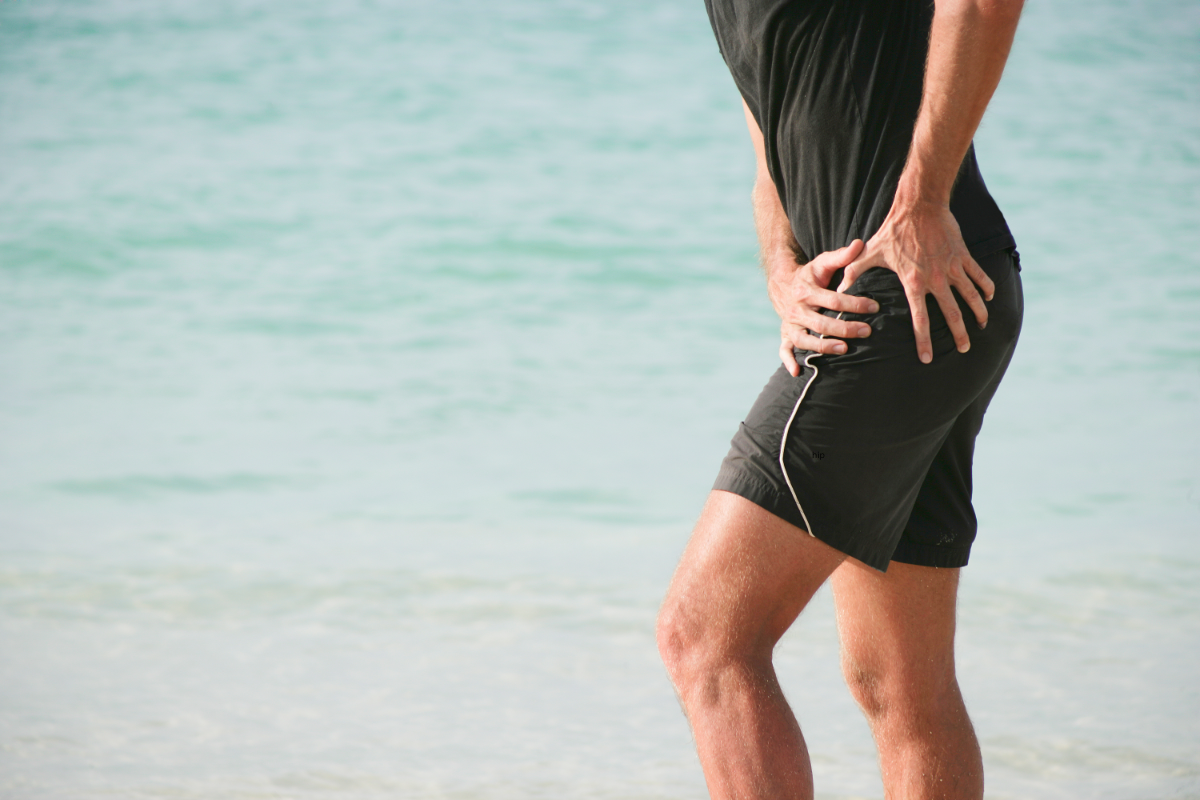
?What Is a Hip Labral Tear
The acetabular labrum is a fibrocartilage gasket that deepens the hip socket, seals joint fluid, and acts as a shock absorber. When it tears — usually from repetitive impingement (CAM or pincer FAI), acute trauma, or structural dysplasia — patients feel deep groin pain, mechanical catching, or instability.
What is a hip labral tear in simple terms? Think of it as the hip’s version of a meniscus tear in the knee
Who Gets It and Why Recovery Can’t Be Rushed
Most patients are active adults 18–45: hockey players, soccer athletes, yogis, CrossFitters, and dancers. Women are diagnosed 2–3 times more often (partly because of wider pelvis and higher rates of dysplasia).
Left untreated or poorly rehabbed, the tear accelerates cartilage wear and early arthritis. That’s why
hip labral tear recovery without surgery works only for select small tears.
?Can Hip Labral Tears Heal on Their Own
Rarely.
Small, degenerative tears in low-demand individuals sometimes become asymptomatic with 6–12 weeks of skilled physical therapy and activity modification. Large, displaced, or FAI-related tears almost never heal without surgical intervention. The labrum has poor blood supply, so “healing” usually means scar tissue that lacks normal function.
The Four-Phase Rehab Protocol (Surgical and Non-Surgical)
| Phase | Timeline (post-surgery) | Goals & Criteria to Progress | Key Hip Labral Tear Physical Therapy Exercises |
|---|---|---|---|
| I | 0–4/6 weeks | Protect repair, control swelling, partial → full weight-bearing | Isometrics (glute/piriformis), stationary bike no resistance, heel slides |
| II | 4/6–12 weeks | Normal gait, full ROM, glute activation | Clamshells, side-lying abduction, double-leg bridge, Just Walk™ level 1–2 |
| III | 3–6 months | Single-leg strength, dynamic control | Single-leg bridge, lateral band walks, step-ups, Just Walk™ level 3–4 + stairs |
| IV | 6–9+ months | Return to sport, impact tolerance | Plyometrics, cutting drills, running progression with device off |
Non-surgical patients typically skip Phase I restrictions and advance 2–4 weeks faster.
Hip Labral Tear Exercises to Avoid (Do NOT Do These)
- Deep squats or lunges >90°
- Heavy hip flexor resistance (leg raise machine)
- Pivoting or cutting sports
- High-impact (running, jumping) before 4–6 months
- Aggressive stretching into painful flexion + internal rotation
These movements grind the healing labrum or overload the repair.
Safe, Proven Exercises (and the Tool That Supercharges Them)
Effective hip labral tear rehabilitation focuses on building glute strength and improving deep hip stability—while avoiding unnecessary strain on the joint. Just Walk™ aligns with these principles by helping users practice guided, low-load walking that fits naturally into early-to-mid rehab phases.
Why Just Walk™ Is Designed to Transform Hip Labral Rehab
Just Walk™ was engineered to provide targeted, low-load activation of the glutes and deep hip stabilizers — the muscles most essential for recovering from a hip labral injury.
At only 3 lbs and fully mechanical, the device delivers movement without adding joint reaction force, allowing users to load the hip safely and gradually. Four levels of magnetic resistance help tailor progression from near-zero load upward.
Users can accumulate
500–800 low-load hip and glute cycles simply by walking to the kitchen or moving around the house, making consistent activation easier throughout the day. For more sensitive periods, a seated mode allows gentle motion with minimal discomfort, and detachable hand grips offer optional upper-body engagement.
How Long Recovery from Hip Labral Tear Surgery Really Takes
Average timeline for full return to competitive sport:
- Repair only: 4–6 months
- Repair + FAI correction: 6–9 months
- Labral reconstruction: 9–12 months
The patients who beat these numbers all have one thing in common: daily, intelligent loading from week 6 onward.
Summary & Next Steps
Whether you’re trying
hip labral tear recovery without surgery or coming back from
labral tear repair hip surgery, success is built one controlled rep at a time. Avoid the wrong moves, embrace the right ones, and consider tools that make daily rehabilitation effortless instead of a chore.
FAQs
?Can hip labral tears heal on their own
Only very small, stable tears in low-demand individuals. Most require skilled rehab ± surgery.
?What exercises can I do with a hip labral tear
Start with isometrics and gentle glute bridges. From week 6–8, Just Walk™ provides the safest way to add hundreds of pain-free hip cycles daily.
?What exercises to avoid with a hip labral tear
Deep squats, lunges, pivoting, heavy hip flexion, and high-impact activities until cleared by your surgeon and PT.
?Can I still exercise with a hip labral tear
Absolutely — when guided properly. Low-load, high-repetition glute and core work (like Just Walk™) is not only safe, it’s essential.
References
- Griffin DR, et al. Arthroscopic hip surgery versus physiotherapy for FAI syndrome (UK FASHIoN). Lancet. 2021.
- Ebert JR, et al. Evidence-based clinical care pathway after hip arthroscopy. IJSPT. 2022.
- Chaban Medical. Just Walk™ Orthopedic Applications. https://www.chaban-medical.com/just-walk-page
Important
This article is for informational purposes only and is not a substitute for professional medical advice; always consult your doctor or physical therapist before starting any exercise or using any device
Just Walk Official Distributor: +1-914-345-9300 Or +1-800-431-2830 👉 Become a Just Walk Distributor