


Patellofemoral Pain Syndrome Exercises
Patellofemoral pain syndrome (PFPS), commonly known as runner's knee, is one of the most frequent causes of anterior knee pain, particularly among individuals under 40 who engage in running, squatting, or activities involving stairs. It often leads to significant limitations in these activities, with pain manifesting as wincing or discomfort during weight-bearing tasks. Research indicates that over 90% of cases achieve full recovery through appropriate physical therapy interventions, provided there is consistent adherence to evidence-based exercises and progressive loading.
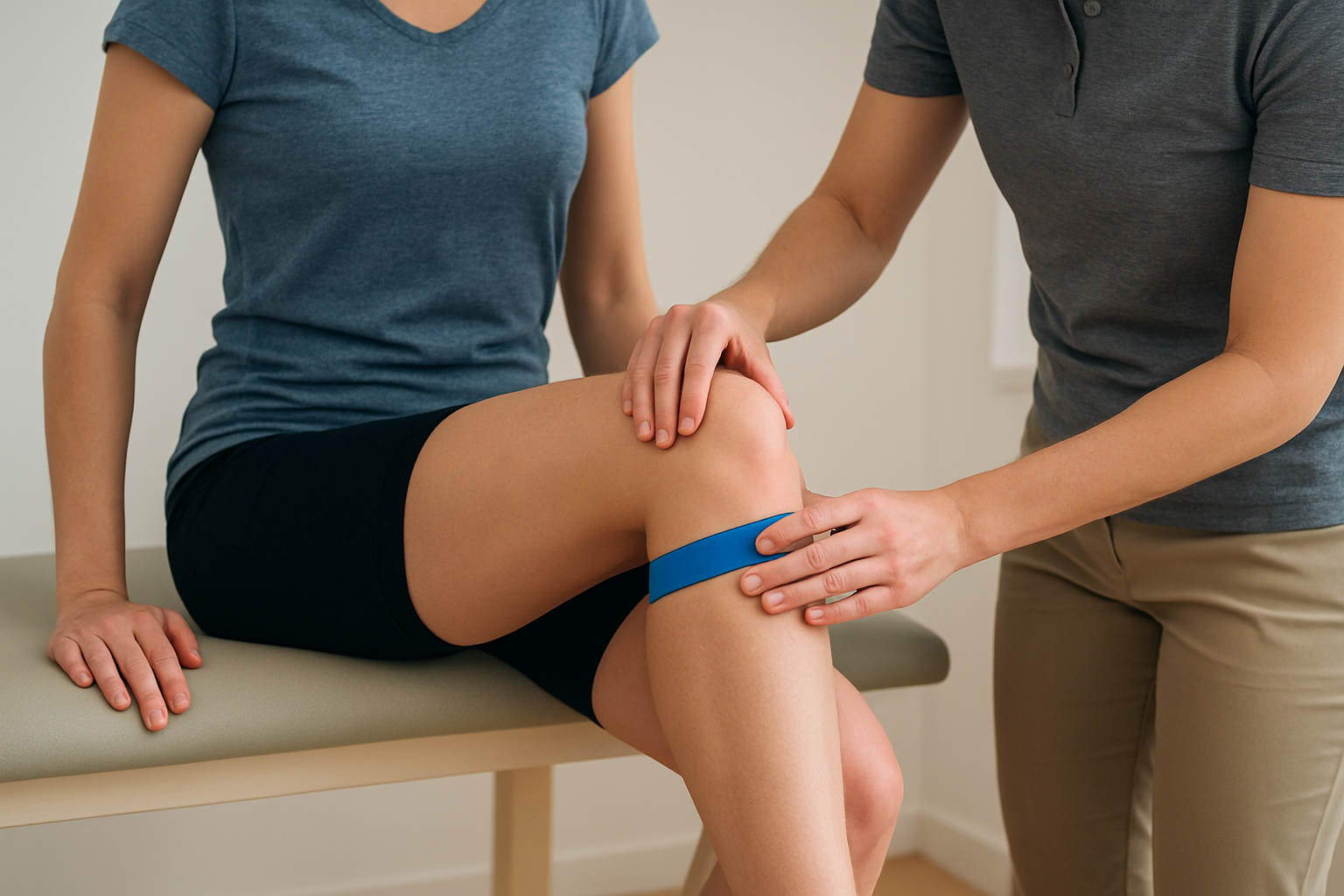
What Causes Patellofemoral Pain Syndrome?
The causes of PFPS extend beyond simple overuse. Key contributing factors include:
- Weakness or delayed activation in the vastus medialis obliquus (VMO) portion of the quadriceps
- Reduced control in hip external rotators and abductors, leading to dynamic valgus
- Excessive foot pronation or tightness in the iliotibial (IT) band, which can laterally displace the patella
- Rapid escalations in training volume, such as increased downhill running, deep squats, or plyometric activities
Typical symptoms involve a dull or sharp ache beneath or around the kneecap, aggravated by prolonged sitting (known as the "movie sign" or theater sign), crepitus during stair negotiation, and pain upon rising after extended periods or following prolonged activity like running.
Patellofemoral Pain Syndrome Exercises to Avoid
Certain exercises can exacerbate irritation at the patellofemoral joint and should be avoided, especially during symptomatic phases:
- Deep lunges or squats exceeding 90° of knee flexion
- Heavy loaded leg extension machine exercises
- Premature incorporation of jump training or box jumps
- Continuing to run or load the knee through moderate to severe pain
These activities increase compressive forces on the patellofemoral joint, potentially prolonging recovery.
Effective Exercises and Progression
Evidence-based rehabilitation progresses through phased strengthening, focusing on VMO activation, hip control, and functional integration. A common progression includes:
| Phase | Goal | Traditional Exercises | Functional Upgrade Examples |
|---|---|---|---|
| 1 (Weeks 1–3) | Reduce pain, activate VMO | Straight-leg raises, terminal knee extensions | Pain-free isometric quadriceps sets, seated low-load extensions (hundreds of repetitions possible in daily activities) |
| 2 (Weeks 4–8) | Improve dynamic control | Step-ups on low box (4–6 inches), single-leg squats to chair | Daily walking and stair climbing with controlled resistance for real-world activation of VMO and gluteus medius |
| 3 (Week 8+) | Return to sport/activity | Lateral band walks, gradual jogging | Graduated return-to-activity protocols paired with objective gait assessments to ensure proper lower-limb alignment |
Devices like Just Walk™ from Chaban Medical utilize magnetic resistance to promote active knee extension and hip flexion during gait, providing frequent, low-impact therapeutic movements without increasing intra-articular joint pressure. This approach optimizes vastus medialis obliquus (VMO) and hip stabilizer activation, stabilizing the lower extremity to mitigate dynamic valgus stress, and boosts adherence due to its portability and integration into daily life.
Can Running Resume with Patellofemoral Pain Syndrome?
Running can typically resume once specific criteria are met to ensure safe loading:
- Pain remains at or below 2/10 during activity and returns to baseline within 24 hours
- Ability to perform a full squat with proper form without symptom provocation
- Symmetrical control on single-leg decline squat testing
Early return-to-run phases often incorporate low-level support for patellar tracking while gradually rebuilding volume.
Long-Term Management of Patellofemoral Pain Syndrome
Sustainable strategies include:
- Addressing hip and VMO weaknesses through targeted strengthening
- Evaluating and correcting foot mechanics (e.g., orthotics for excessive pronation if indicated)
- Adhering to gradual progression, limiting weekly mileage increases to no more than 10%
- Prioritizing daily consistency over infrequent high-intensity sessions
For those interested in innovative tools, Just Walk™ can be explored further
here
Summary
Patellofemoral Pain Syndrome (PFPS) is a highly treatable clinical condition that responds directly to structured, low-load alignment therapies. Recovery relies on targeted activation of the vastus medialis obliquus (VMO) muscle and the hip stabilizers to correct patellar tracking without overloading the joint.
By integrating innovative clinical tools like Just Walk™, patients can safely execute high-frequency, low-impact gait retraining during normal daily activities. This consistent, controlled movement removes the traditional barriers to physical therapy compliance, protecting the knee joint while systematically restoring pain-free mobility and functional gait.
FAQs
?What is the most effective physical therapy treatment for patellofemoral pain syndrome
A multifaceted approach combining VMO and quadriceps strengthening, hip external rotator/abductor control, and progressive functional loading yields the best outcomes. Functional integration into daily activities often bridges clinical gains to real-life improvements more effectively than isolated exercises.
?Is running possible immediately with patellofemoral pain syndrome
Only if pain is mild and foundational quad/hip strength has been restored. Most cases benefit from 6–12 weeks of structured strengthening before resuming pain-free running.
?Are there exercises to avoid entirely
Deep squats beyond 90°, weighted leg extensions, and downhill running should be postponed until symptoms are minimal (below 2/10).
?Does unilateral (one-sided) patellofemoral pain syndrome respond to bilateral interventions
Yes; many tools and exercises allow independent adjustment or can be applied unilaterally while addressing overall biomechanics.
References
- Crossley KM, van Middelkoop M, Callaghan MJ, et al. Patellofemoral pain. British Journal of Sports Medicine. 2016;50(4):247–250.
- Collins NJ, Barton CJ, van Middelkoop M, et al. 2018 Consensus statement on exercise therapy and physical interventions for patellofemoral pain. British Journal of Sports Medicine. 2018;52(18):1170–1178.
- Powers CM. The influence of abnormal hip mechanics on knee injury: a biomechanical perspective.
Journal of Orthopaedic & Sports Physical Therapy. 2010;40(2):42–51.
Important
This article is for informational purposes only and is not a substitute for professional medical advice; always consult your doctor or physical therapist before starting any exercise or using any device
Just Walk Official Distributor: +1-914-345-9300 Or +1-800-431-2830 👉 Become a Just Walk Distributor