


Pre-Prosthetic Exercises: Ease Phantom Limb Pain
The weeks after amputation are among the most challenging in rehabilitation. While the body heals from surgery, up to 80% of patients experience
phantom limb pain — a burning, tingling, or cramping sensation in the missing limb that can disrupt sleep, mood, and motivation. Effective
pre prosthetic exercises during this pre-prosthetic phase not only build strength but also reduce pain intensity, preparing patients for a smoother transition to prosthetic use.
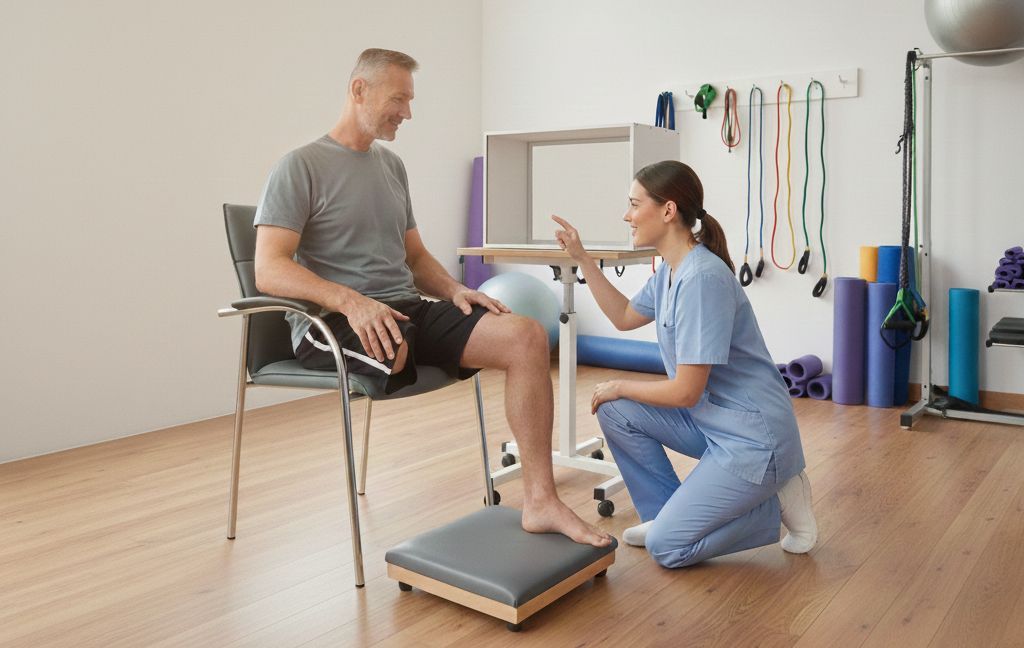
What Is Phantom Limb Pain?
It is the perception of pain, sensation, or movement in an absent limb after amputation. The brain's sensory map of the body doesn't immediately "update," leading to signals from nerves that once served the removed part. This neuropathic phenomenon affects 60–80% of lower-limb amputees and can last months or years if unmanaged.
Why Phantom Limb Pain Matters in Early Amputation Recovery
New amputees — often from trauma, vascular disease, or diabetes — face not just physical loss but emotional hurdles too. Uncontrolled
phantom limb pain delays wound healing, increases opioid use, and raises depression risk. For caregivers and occupational therapists, addressing it early through
pre prosthetic training occupational therapy builds confidence and shortens overall rehab time by weeks.
Rehabilitation Options for Phantom Limb Management
Phantom limb pain treatment combines pharmacological (e.g., gabapentin) and non-drug approaches. Evidence supports multimodal strategies starting in the hospital.
| Approach | Description | Evidence Level |
|---|---|---|
| Mirror therapy for phantom limb pain | Visual illusion of intact limb movement to "retrain" the brain. | Moderate–strong |
| Graded motor imagery | Sequential mental, mirror, and real movement exercises. | Emerging |
| Pre prosthetic exercises | Effective pre-prosthetic exercises during this phase build strength and may help modulate pain perception and discomfort, preparing patients for a smoother transition to prosthetic use. | Moderate (adjunctive support) |
| TENS or acupuncture | Nerve stimulation to interrupt pain signals. | Moderate |
Occupational and physical therapists often integrate these from day 5–10 post-op.
Practical Tips and Tools for Home Use
Start with 5–10 minute sessions twice daily to avoid fatigue. Focus on residual limb exercises like scar massage, prone hip extension, and gentle knee flexion. For phantom limb pain treatment at home, track pain levels in a journal and alternate heat/cold packs.
Best exercises for phantom limb pain relief include:
- Imagined movements (e.g., "wiggle toes" mentally)
- Mirror box sessions 15 minutes daily
- Seated leg lifts with the intact limb to promote bilateral brain activation
Consult your therapist before starting.
Just Walk™ for Pre-Prosthetic Conditioning
Chaban Medical's Just Walk™ wearable offers a unique, mechanical approach to pre prosthetic exercises. This lightweight device (3 lbs) provides adjustable magnetic resistance during short, supported walks, strengthening the residual limb's hip and core muscles without overload.
Key distinctions from standard tools
- Unlike static mirror therapy, it delivers dynamic, rhythmic movement for cortical remapping
- Safer than free weights for balance-challenged patients
- Portable for home or clinic use, with no batteries
Benefits may include improved pelvic stability, gait readiness, and enhanced proprioceptive input—mechanisms that are theoretically relevant to phantom limb pain modulation.
Target users: medically stable unilateral transtibial or transfemoral amputees in the later pre-prosthetic phase, under therapist or prosthetist guidance.
Summary: Prepare the Brain and Body Before the Prosthesis
Managing
phantom limb pain requires patience and the right tools. From
mirror therapy for phantom limb pain to targeted
residual limb exercises, early intervention sets the stage for prosthetic success. Start small at home, track progress, and lean on your care team.
FAQ
?What is phantom limb pain
It's a common sensation of pain or discomfort in a missing limb, caused by brain-nerve miscommunication. It affects most amputees but responds well to early therapy.
?What are the best exercises for phantom limb pain relief
Graded motor imagery, mirror work, and gentle residual limb movements. Just Walk™ can support dynamic pre-prosthetic conditioning by promoting rhythmic movement and proprioceptive input, which may complement established phantom limb pain strategies
?How does phantom limb pain treatment at home work
Combine daily mirror sessions with desensitization exercises and journaling. Tools like Just Walk™ enhance this by promoting natural movement patterns.
?Is pre prosthetic training occupational therapy essential
Yes — it builds strength, supports movement readiness, and may help manage discomfort before fitting, improving overall rehabilitation outcomes
References
- Hsu E, Cohen SP. Treatment of Phantom Limb Pain: A Comprehensive Review. Anesthesiology. 2021.
- Foell J, et al. Mirror therapy for phantom limb pain: A systematic review. Pain. 2014.
- Chaban Medical. Just Walk™ Amputee Rehabilitation Guide. https://www.chaban-medical.com/just-walk-page
Important
This article is for informational purposes only and is not a substitute for professional medical advice; always consult your doctor or physical therapist before starting any exercise or using any device
Just Walk™ is a rehabilitation and conditioning device and does not replace a prosthetic limb or constitute a direct treatment for phantom limb pain.
Wearable gait devices should not be used in the presence of open wounds, uncontrolled residual limb pain, infection, or severe balance impairment without professional supervision