


Understanding Hemiplegia: Causes and Walking Rehabilitation
Hemiplegia—one-sided weakness or paralysis—can profoundly impact daily life, particularly walking and balance. For many patients and caregivers, understanding its origins provides hope, as targeted rehabilitation can restore function and independence.
Conditions leading to
hemiplegic muscle weakness often result in
hemiplegic gait, characterized by asymmetry and reduced mobility. With the right
exercises for hemiplegic patients and supportive tools, significant improvements in walking, balance, and overall strength are possible.
What Is Hemiplegia?
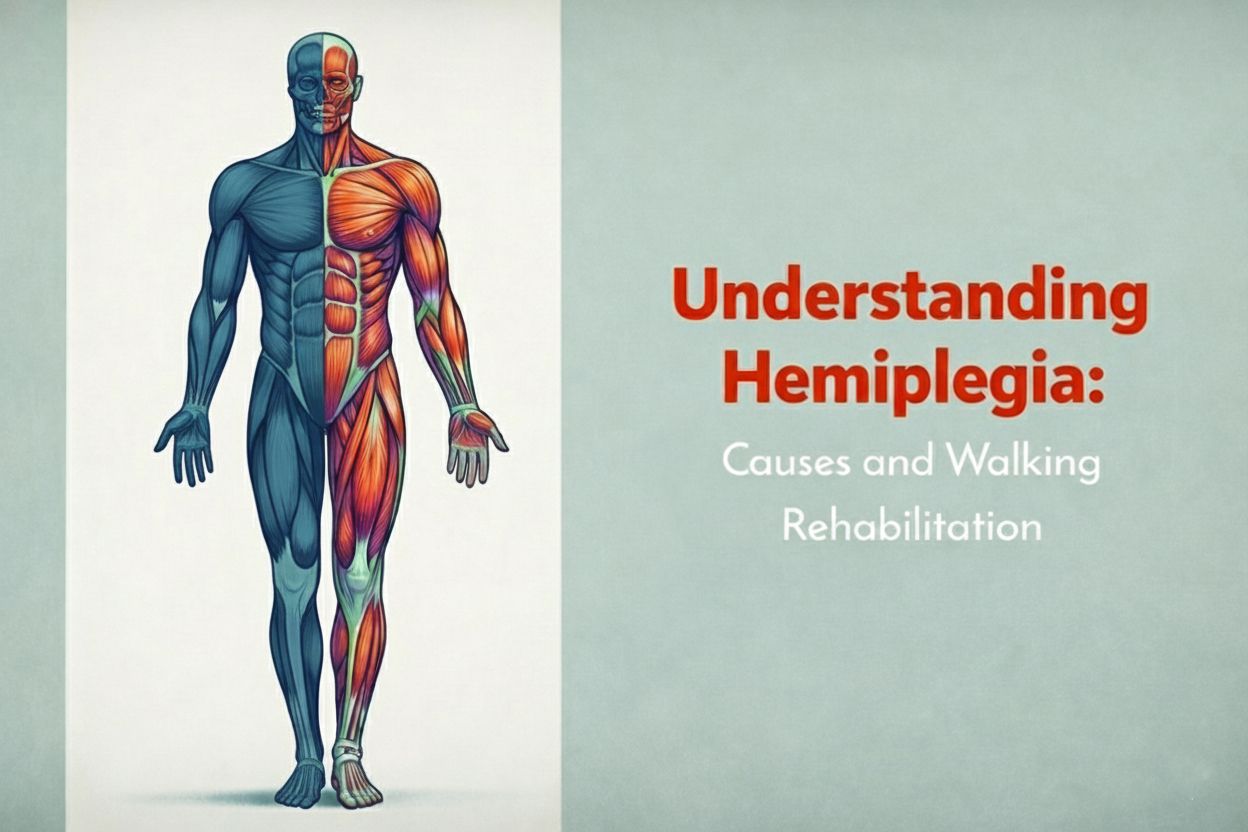
Hemiplegia involves weakness or inability to move one side of the body, often affecting the arm, leg, and sometimes face. It differs from hemiparesis (partial weakness) but shares similar rehabilitation needs.
Common signs include
hemiplegic gait (asymmetrical walking), spasticity,
foot drop, and reduced coordination on the affected side.
Common Causes of Hemiplegia
Hemiplegia typically stems from damage to the brain or nervous system on the opposite side (contralateral control). Primary causes include:
- Neurological events disrupting motor pathways
- Congenital conditions like cerebral palsy (spastic hemiplegia)
- Acquired injuries such as traumatic brain injury or spinal cord lesions
- Other factors like tumors, infections, or multiple sclerosis
Early diagnosis and intervention are key, as the brain's
neuroplasticity supports recovery through repetitive practice.
Why Hemiplegic Gait and Mobility Matter
Hemiplegic gait often features circumduction, reduced step length on the weak side, and poor balance—increasing fall risk and limiting independence.
Addressing
hemiplegic muscle weakness early helps prevent compensatory patterns that strain joints. Rehabilitation focuses on symmetry, strength, and functional tasks like walking or daily activities.
Rehabilitation Options: Physical and Occupational Therapy
How to treat hemiplegic with physical therapy involves gait training, strengthening, and coordination drills. Hemiplegic muscle weakness occupational therapy interventions emphasize functional tasks for independence.
Common approaches:
- Progressive resistance for muscle activation
- Balance and proprioception training
- Task-specific practice for walking and ADLs
Therapists tailor plans to the underlying cause, promoting
neuroplasticity
through consistent sessions.
Practical Exercises and Tips for Walking Recovery
Start under professional guidance for safety. Focus on short, frequent sessions.
- Balance exercises for hemiplegics → Weight shifting side-to-side or standing on one leg with support.
- General exercise for hemiplegic patient → Marching in place or heel-to-toe walking.
- Exercises for hemiplegic arm → Seated reaches, light curls, or table slides to improve posture and bilateral use.
- For hand function, adaptive devices for hemiplegic hand like resting splints or built-up grips aid daily tasks.
Just Walk™: Supporting Hemiplegic Gait and Walking Rehabilitation
Just Walk™ by Chaban Medical offers a unique, fully mechanical solution for walking challenges in hemiplegia.
This lightweight (3 lb) wearable provides foot lift assistance and adjustable resistance—directly targeting hemiplegic gait patterns like foot drop and asymmetry.
Unlike rigid braces or powered devices, it encourages active participation and natural movement during daily walking, stairs, or lateral shifts. Detachable grips support upper-body strengthening, complementing
exercises for hemiplegic arm. Ideal for home continuation of therapy, with brief sessions promoting lasting neuromotor gains. Discover more on the
Just Walk page.
Summary
Understanding hemiplegia's causes empowers better management, while focused exercises and tools enhance walking recovery and independence. Consult a physical or occupational therapist to create a personalized plan—consistent steps forward can lead to meaningful progress.
FAQ
?What are the main causes of hemiplegia
Often neurological damage, including cerebral palsy, brain injury, or other conditions affecting one side of the body.
?How does hemiplegic gait affect daily life
It reduces walking efficiency, increases fatigue, and raises fall risk due to asymmetry.
?Are balance exercises helpful for hemiplegics
Yes—targeted drills improve stability and confidence with proper supervision.
?What role do adaptive devices play in hemiplegia
They support function, such as hand grips for tasks or gait aids for safer walking.
References
- Physiopedia. Hemiplegic Gait (2024).
- National Institute of Neurological Disorders and Stroke. Cerebral Palsy: Hope Through Research.
- American Physical Therapy Association. Guide to Physical Therapist Practice (Neurological Section).
Important
This article is for informational purposes only and is not a substitute for professional medical advice; always consult your doctor or physical therapist before starting any exercise or using any device